Waterpark Simulator Museum, Quests, and Theme Currencies
Turn museum NPCs into Ocean, Aztec, and Pirate unlocks without starving the mop loop.
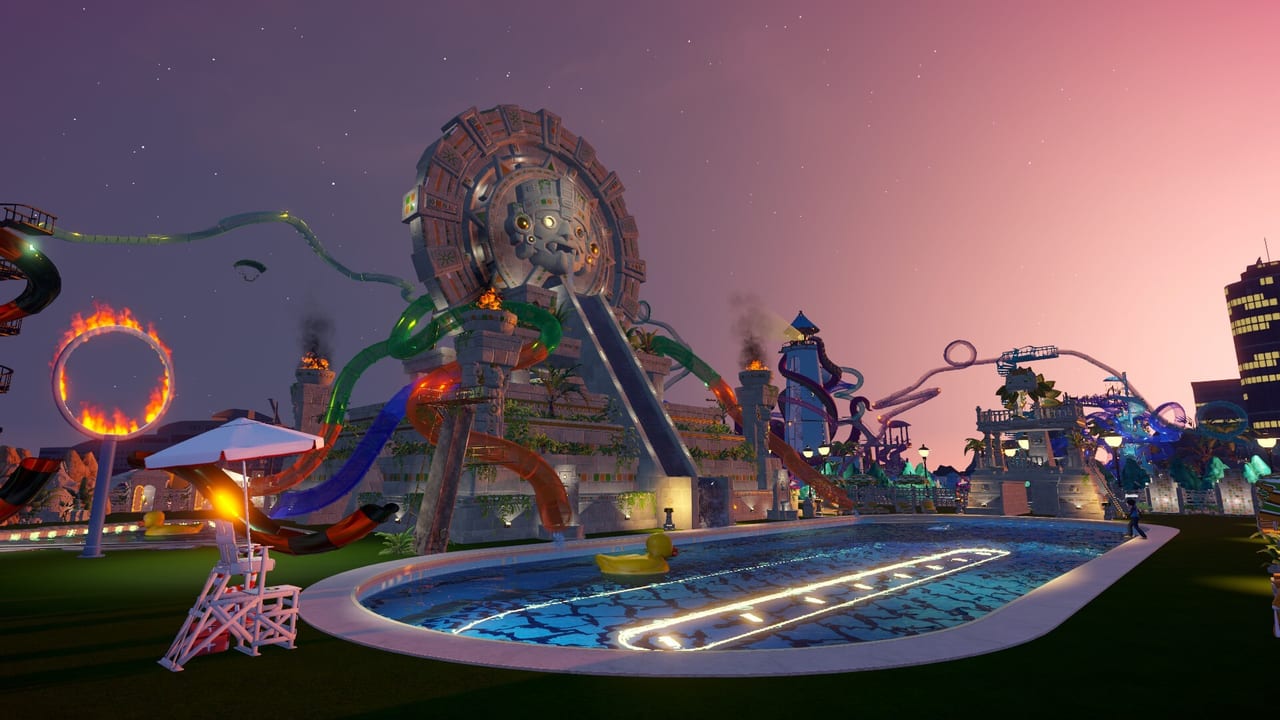
The museum is a second research track
Waterpark Simulator 1.0 (July 31, 2026) from CayPlay Studios did more than add Beach map space and online co-op for 2–4 players. It introduced a museum with three NPCs, each opening a quest line that pays out a dedicated currency. Those currencies feed a theme research tree that unlocks Ocean, Aztec, and Pirate building kits—props, pools, and a branch-ending signature slide—without replacing the office Research Table you already use for Floor Tool, bins, and hiring tiers.
Treat the museum as late-mid progression flavor that sits beside diamond rating, not as a day-one shopping mall. Stabilize tickets, cleaning, and food first with Getting Started, Cleaning Loop, and Research Points. Then use this page to chase theme kits without letting quest errands empty every trash bag in the park.
Price stayed $12.99 on Steam, PS5, and Xbox Series X|S. Official launch framing also lives in Version 1.0 Overview. District placement rules for the kits you unlock are in Themes: Ocean, Aztec, Pirate.
What the museum actually does
CayPlay’s 1.0 notes describe the museum as a cultural hub with three NPCs and three quest lines. Each line awards its own currency. Spend those currencies in the theme research tree tied to the matching identity pack. Branches end in a large themed slide once you have invested enough quest currency—not once you have only painted a wall blue.
Practical implications:
- Office research still buys operational power (tools, hiring, quality-of-life).
- Museum currencies buy identity and spectacle (theme pools, decor sets, hero slides).
- Star and diamond objectives from Stars and Diamond Rating can point you at museum work, but they never excuse a dirty gate.
If a patch renames an NPC or reshuffles a currency icon, trust the live UI over any frozen wiki nickname. This guide stays accurate at the systems level: three lines, three wallets, theme tree spend, operational research separate.
When to open museum quests
Start museum work when all of the following are true most days:
- Morning ticket rush is survivable (correct age + slide pass, bracelet ejects handled).
- One pool loop stays mopped and bagged without you ignoring the booth for twenty minutes.
- Food counters near the gate are restocked before open (Food Concessions).
- You have already spent early office research on Floor Tool / bins / pockets / first hires.
- You are chasing prestige, diamond, or theme-facing objectives—not escaping a failing park into “quests for fun.”
Beach map parks tempt you to unlock Ocean first because shoreline fantasy matches the map. That is fine if the shoreline loop already has bins, life rings, and a cleaner path. A themed empty basin still triggers injuries when the plug is out—see Pool Layout.
Quest cadence without ops collapse
Museum quests often ask for park actions: serve guests, clean zones, place objects, escort troublemakers, or hit revenue-style milestones. The failure mode is abandoning the gate for a scavenger hunt while puddles and cheaters multiply.
Use a quest window, not a quest day:
- Clear the morning rush yourself or leave a trusted Ticket Agent after the spike.
- Assign a 20–40 minute window where one player (solo or co-op) focuses on the active museum objective.
- Return to mop, restock, and repairs before opening the next objective chain.
- In co-op, appoint a quest captain so three friends are not all reading different NPC dialogue—see Multiplayer Co-op.
Security and mascots help when quest lines push guest density or parade energy. Hire them when routes exist, not as a substitute for bins (Security and Mascots, Hiring Guide).
Spending theme currencies wisely
Each currency should stay on its own branch. Do not treat Ocean tokens as generic cash for Aztec stone. Prioritize unlocks that create a readable district you can actually operate:
- Floors and edge kits that define the district silhouette
- One functional themed pool or attraction that fits an existing guest loop
- Props that do not block bin arrows or security sightlines
- The branch-ending massive slide only after landing water, queues, and rescue gear are ready
Custom slide skills from Custom Slides still apply to theme flumes: test the exit, keep landing depth, and leave mop width. Prestige photo props belong in plazas, not slide chokes—pair with Prestige Builds and Decor Customization.
Ocean, Aztec, Pirate—quest personality
Ocean reads as shoreline and coral fantasy. Best first branch on Beach frontage. Keep life rings visible; blue props should frame water, not hide rescue gear.
Aztec reads as stone courts and height. Strong inland prestige plaza. Watch decorative steps for puddle slip chains; leave terrace mop lanes.
Pirate reads as cove chaos. Fun near mid-tier attractions, dangerous when barrels become mazes that hide bracelet cheaters. Keep the circulation spine open for security.
Full district rules: Themes: Ocean, Aztec, Pirate. Night lighting and weather pressure on themed decks continue in Night Mode and Weather.
Museum versus diamond versus office research
Players often ask which meter to chase. Use this split:
- Office research when chores are slow (tools, hiring, capacity).
- Museum currencies when operations are boringly stable and you want identity unlocks.
- Diamond / star UI objectives as the referee—if the top-right list wants a clean deck, mop before you turn in a theme errand.
Money and Loans still applies: do not take a Mafia loan to buy theme kits. Quests that demand cash should be funded by tickets and food, not emergency leverage.
Co-op museum etiquette
With 2–4 players:
- One quest captain talks to NPCs and tracks currencies
- One ops lead refuses to leave the gate during quest windows
- Decorators place unlocks only after bin and mop re-checks
- Nobody spends theme currency without announcing the unlock out loud
Optional proximity voice helps call drownings during quest sprints, but mute arguments about statue placement until the objective is closed.
Museum quest checklist
- Confirm office research basics are already purchased
- Pick one theme branch that matches a working guest loop
- Talk to the matching museum NPC; note the currency wallet in the UI
- Run quest actions in short windows between mop/restock cycles
- Spend currency on floors and functional pools before vanity crates
- Preserve bin facing and life rings after every placement
- Test the branch-ending slide exit before chaining guests into it
- Re-check star/diamond objectives after each unlock
- In co-op, keep a quest captain and an ops lead
- Return to Guides Hub if tickets or cleaning regress
The museum makes 1.0 parks feel like living culture hubs instead of blank decks with random crates. Earn the currencies on purpose, spend them like an operator, and let Ocean, Aztec, and Pirate districts celebrate a park that already knows how to sell a bracelet and mop a puddle.
Frequently Asked Questions
Quick answers to the most common questions.
What is the museum in Waterpark Simulator 1.0?
A cultural hub with three NPCs. Each NPC starts a quest line that awards a dedicated currency for the Ocean, Aztec, or Pirate theme research tree.
Do museum currencies replace office research points?
No. Office research still unlocks tools and hiring. Museum currencies unlock theme kits, decor, and branch-ending slides.
When should I start museum quests?
After gate, cleaning, food, and early office research are stable. Do not use quests to escape a failing morning rush.
Which theme should I unlock first?
Ocean is usually first on Beach shoreline parks. Aztec and Pirate work better once you need inland prestige or cove energy on a working loop.
Can co-op friends all chase museum quests at once?
Appoint one quest captain and keep an ops lead on the gate. Parallel NPC dialogue without mop coverage collapses the park.
Should I take a Mafia loan for theme unlocks?
No. Fund quest cash needs with tickets and food. Loans are emergency leverage, not a decor budget.