Guest Sickness and Hygiene in Waterpark Simulator
Contain spread, run chlorine-minded cleaning, and use comfort settings when you need them.
Guest sickness is an ops problem, not a joke beat
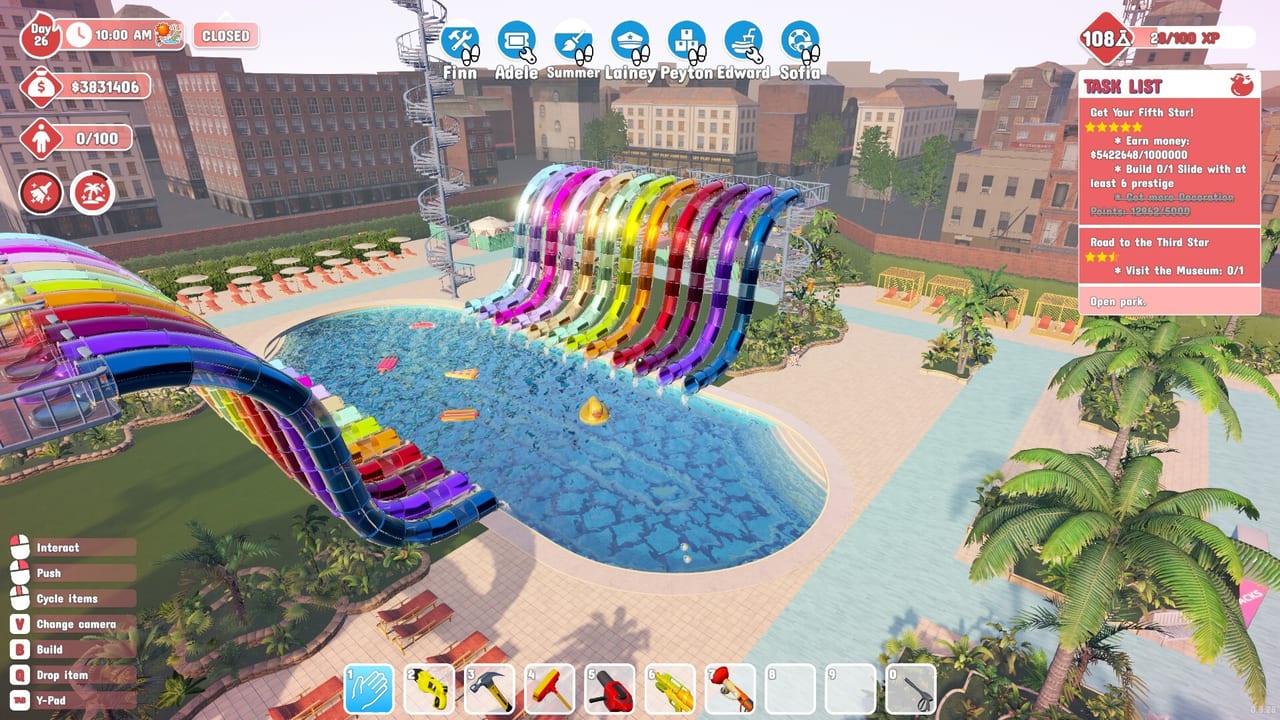
Waterpark Simulator by CayPlay Studios treats messy guests as comedy—and as a systems pressure valve. Version 1.0 launched July 31, 2026 on Steam, PlayStation 5, and Xbox Series X|S at $12.99, and guest sickness joined the hygiene stack alongside litter, puddles, seagull droppings, and pool disasters. In 1.0, sick guests can spread illness to others when hygiene slips, which turns one upset stomach into a queue complaint chain, empty food lines, and star objectives that refuse to budge. This guide explains how sickness pressure works, cleaning and chlorine habits that contain it, and the No Guest Sickness settings toggle for players who want comfort without changing the rest of the sim.
Pair it with Cleaning Loop for mop and bag fundamentals, Getting Started for opening order, and the Guides Hub when you need the wider ops map.
How sickness spreads and why it hurts ratings
Sickness is not a random cutscene. It tracks how well you run hygiene: dirty pools, ignored mess near food, and long gaps between cleanups let problems compound. When one guest gets sick, nearby traffic can pick up the same state in 1.0—think of it as contagion pressure rather than a fixed percentage you can memorize. This wiki will not invent exact disease rates; treat spread as a warning that your park is behind on cleaning, not a spreadsheet to min-max.
Operational fallout is immediate. Sick guests vomit or foul paths, which creates trash-like mess that guests judge harshly. Queues stall while you mop. Food counters lose appetite traffic. Lifeguard and rescue minutes get stolen from slide landings. In co-op sessions of 2–4 players, sickness often means someone abandons build plans to chase mess clusters—exactly when hygiene roles should already exist from Multiplayer Co-op.
Cleaning and chlorine hygiene habits
The same loop that saves stars from litter also contains sickness:
- Mop puddles and scoop pool problems before they stack into ragdoll piles (Cleaning Loop)
- Face trash bins on food queues so wrappers do not decay into attractors for birds and filth (Seagulls Guide)
- Keep pools maintained—cracked basins and empty shells are hygiene failures; hammer repairs and plug refills belong in the same lap as mopping
- Use the water gun when smelly or soiled guests need fast handling, accepting that gun cleaning trades some research for speed
Chlorine and pool treatment sit in the broader hygiene mindset CayPlay emphasizes in 1.0: water quality matters when guests swim all day. You do not need a chemical simulator—just treat pool upkeep as non-optional. After repairs, refill water. After heavy mess days, prioritize pool-adjacent routes before you open another snack stall.
No Guest Sickness setting (comfort option)
Settings include No Guest Sickness for players who want the park fantasy without vomiting visuals—commonly used for emetophobia comfort. Enabling it removes guest sickness events while leaving the rest of the management loop intact: you still mop, still fight seagulls, still repair breakdowns, still chase diamond quests. It is an accessibility-minded toggle, not an easy mode that prints money.
If you stream or play with friends who prefer lighter gross-out humor, set it once in the menu and agree on the choice for your co-op lobby. Competitive prestige hunters may leave sickness on for authenticity; comfort-focused parks should not feel guilty about the toggle.
Food, birds, and night mode interactions
Sickness pressure rises when food and trash fail together. Empty or chaotic stands from Vendor Fix problems create litter deserts where hygiene collapses. Seagull days add droppings that function as trash—see Seagulls Guide—and sickness mess on top of bird mess is how parks lose an afternoon.
Night mode overtime from Night Mode and Weather hides puddles and vomit stains longer. Only extend hours when cleaner coverage is real; darkness plus sickness is how Money and Loans emergencies start when payroll cannot keep up with mess.
Co-op sickness roles
Assign one player as hygiene lead during peak:
- Pre-open: stock food, face bins, pocket mop or water gun
- Morning: clear entrance splash and first food queue wet spots
- Midday: respond to sick guest clusters before they spread along the main spine
- Peak: eject devil-icon troublemakers who foul pools on purpose
- Pre-close: reset bags, recheck pools after hammer work
- Night: only if overtime includes a dedicated cleaner
Sickness-ready checklist
- Confirm cleaning loop basics from Getting Started
- Decide No Guest Sickness on or off for your lobby
- Keep mop, bags, and pool repair kit on short routes
- Stock food and fix vendor plaques before sickness spikes appetite loss
- Spray seagulls and bag droppings on food approaches
- Avoid night overtime until daytime hygiene is boringly stable
- Re-read Cleaning Loop after every Beach expansion
Linked reading
- Mop, bins, bags, plug refills: Cleaning Loop
- Bird trash that stacks with hygiene failures: Seagulls Guide
- Payroll when mess steals the whole day: Money and Loans
- Dark decks that hide stains: Night Mode and Weather
- Opening habits before complexity: Getting Started
- Hub: Guides Hub
Guest sickness punishes parks that treat chlorine and mopping as optional. Contain spread with honest hygiene, use No Guest Sickness when you need comfort, and keep food zones clean so one bad hour does not infect the whole star row.
Frequently Asked Questions
Quick answers to the most common questions.
Can guest sickness spread to other guests in 1.0?
Yes. When hygiene slips, sick guests can pass illness to nearby traffic. Treat spread as a cleaning warning rather than a fixed rate you can memorize from this wiki.
What does the No Guest Sickness setting do?
It disables guest sickness events for comfort—often used for emetophobia—while leaving mopping, repairs, food, and prestige systems unchanged.
How do I reduce sickness pressure without the setting?
Run the cleaning loop hard: mop puddles, scoop pool mess, face bins on food queues, maintain water after repairs, and clear seagull droppings near snacks.
Does the water gun help with sick guests?
It can speed cleanup of smelly or soiled guests, but gun cleaning usually earns less research than mopping. Use it when speed matters more than points.
Are sick guests worse at night or on the Beach map?
Night hides stains longer and Beach stretches mop routes. Extend hours or expand sand zones only when cleaner coverage can still respond quickly.
Which guides should I read with this page?
Start with Cleaning Loop and Getting Started, add Seagulls when food zones get messy, and read Money and Loans if sickness days force overtime or borrowing.