Waterpark Simulator Dynamic Weather — Weather Effects and Park Operations
How weather changes guest behavior, operational priorities, and park design decisions.
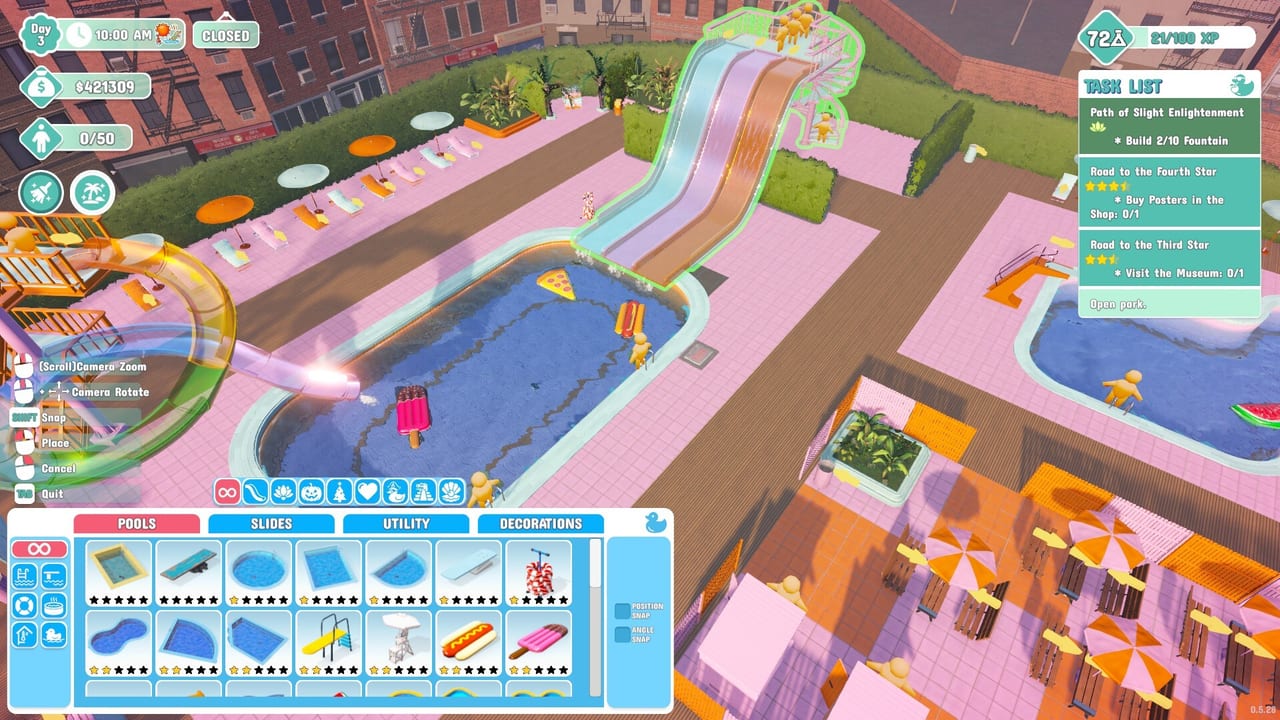
What Dynamic Weather Means for Waterpark Simulator
Dynamic Weather represents one of the most anticipated future systems for Waterpark Simulator according to the official community roadmap. While not yet implemented at the 1.0 launch, the system is planned to introduce weather variations that affect guest behavior, operational demands, and park design strategy in meaningful ways.
This page documents the expected weather system based on developer discussions and community feedback. As CayPlay Studios develops and releases dynamic weather features, this guide will be updated to reflect the implemented systems. For current park management without dynamic weather, see the Night Mode and Weather page for existing environmental effects.
Expected Weather Types
Based on community roadmap discussions, dynamic weather in Waterpark Simulator is expected to include several weather conditions that would layer onto normal park operations:
Sunny conditions would increase guest counts and boost mood across the park. Hot weather drives more visitors to water attractions and increases food and drink sales. Parks would need to prepare for higher foot traffic with additional staff coverage and restocked concession stands.
Rainfall would create immediate operational challenges. Outdoor attractions would see reduced usage, pool cleaning would become more demanding, and guest satisfaction scores could drop if indoor amenities are insufficient. Wet pathways would require additional mop attention and increase the risk of slip-related injuries.
Thunderstorms represent the most severe weather scenario. Outdoor attractions might need temporary closure for safety, lightning-sensitive features would require protection protocols, and indoor facilities would suddenly carry more value as guests seek shelter. Revenue from outdoor attractions would decline sharply during storm events.
Heatwaves would create extended high-temperature conditions that stress both guests and staff. Water consumption would spike, hydration-related amenities would become critical, and heat-sensitive guests might leave the park early if shade and rest areas are inadequate.
Impact on Guest Behavior
Weather changes would affect how guests move through the park, which attractions they prioritize, and how long they stay. Sunny weather draws guests toward outdoor pools and slides, while rain pushes them toward indoor facilities, restaurants, and retail.
Guest energy levels fluctuate with temperature and conditions. Hot weather increases fatigue rates and drives guests toward shaded rest areas and beverage stands. Cold or wet conditions reduce willingness to wait in outdoor queues and increase demand for indoor attractions.
Special events like tour buses and seasonal celebrations may interact with weather patterns in complex ways. A tour bus arriving during a sudden rainstorm creates different operational challenges than the same bus arriving during sunny afternoon peak hours.
Operational Adjustments for Weather
Parks designed with weather flexibility in mind will handle dynamic conditions better than parks optimized only for ideal weather. This means considering indoor alternatives for key attraction types, designing covered pathways between facilities, and maintaining flexible staff deployment options.
Staff Deployment During Weather Events
Weather changes require rapid staff redeployment. Cleaners become more critical during rain events when puddles accumulate faster. Lifeguard positions may need adjustment if guests migrate away from outdoor pools toward indoor facilities. Food service staff should be ready to handle increased demand during sudden weather shifts.
Consider cross-training staff for multiple roles so deployment can shift with weather conditions. A cleaner who can also handle basic vendor restocking becomes more valuable during a weather event that closes outdoor attractions.
Maintenance Priorities
Weather events create specific maintenance burdens. Rain requires faster mop response times and additional attention to indoor facilities. Heatwaves demand more frequent water quality testing and pool chemical adjustments. Storm events may require post-event inspection of electrical systems and attraction safety equipment.
Building maintenance also becomes weather-dependent. Outdoor structures may require weatherproofing maintenance more frequently in parks that experience varied conditions. Slide mechanics, pool equipment, and electrical systems all have weather-related maintenance schedules that would become more complex under dynamic weather.
Park Design for Weather Flexibility
Designing a weather-ready park requires balancing outdoor attractions with adequate indoor alternatives. Parks that rely entirely on outdoor facilities will struggle during adverse weather, while parks with good indoor options can maintain operations and satisfaction scores regardless of conditions.
Key design principles for weather flexibility:
Indoor attraction backup — Ensure each major attraction category has an indoor alternative. If outdoor pools dominate your park, add indoor slides or water features that can remain operational during rain.
Covered pathways — Connect major facilities with covered walkways that allow guests to move between attractions without getting wet. This becomes critical during sudden rain showers that would otherwise trap guests at outdoor facilities.
Shade structures — Install adequate shade near high-traffic areas, food courts, and rest zones. Hot weather without shade causes guest fatigue and reduces time spent in the park.
Flexible seating — Position benches and rest areas in locations that work under multiple weather conditions. Covered seating near indoor facilities provides value during both rain and intense sun.
Integration with Existing Systems
Dynamic weather would interact with the existing park management systems documented throughout this wiki. The Night Mode and Weather page covers environmental effects already in the game, which would serve as the foundation for more complex weather systems.
Weather effects would layer onto the Cleaning Loop by increasing or decreasing cleaning demands based on conditions. The Research Points system might offer weather-related upgrades that improve park resilience to adverse conditions.
Staff management documented in the Hiring Guide and Staff Roles Tier List would become more dynamic under weather variation. Parks might need larger staff rosters to handle rapid redeployment during weather events.
FAQ
Q: Is Dynamic Weather implemented in Waterpark Simulator?
A: Dynamic Weather has been discussed in community roadmap materials but is not yet implemented as of the current 1.0 release. Check the Updates Hub for announcements about weather system development.
Q: What weather types are expected?
A: Developer discussions suggest sunny conditions, rainfall, thunderstorms, and heatwaves as the primary weather types. Specific implementation details will be confirmed when CayPlay releases the feature.
Q: How will weather affect guest behavior?
A: Weather would influence which attractions guests prefer, how long they stay, and their overall mood. Outdoor facilities see reduced usage during rain while indoor alternatives gain traffic.
Q: What park design changes should I make for weather?
A: Add indoor attraction alternatives, covered pathways between facilities, shade structures near high-traffic areas, and flexible seating in multiple locations.
Q: Will weather affect staff management?
A: Weather events would require rapid staff redeployment. Cross-trained staff who can handle multiple roles become more valuable under dynamic weather conditions.
Q: Where can I get updates about Dynamic Weather?
A: Follow official CayPlay announcements on Steam and Discord. The Updates Hub will document weather system implementation as it releases.
Frequently Asked Questions
Quick answers to the most common questions.
Is Dynamic Weather implemented yet?
Dynamic Weather has been discussed in roadmap materials but is not yet implemented. Check the Updates Hub for announcements about weather system releases.
What weather types are planned?
Developer discussions suggest sunny conditions, rainfall, thunderstorms, and heatwaves as primary weather types.
How will weather affect park ratings?
Weather would influence guest satisfaction scores. Indoor alternatives and weather-ready operations would help maintain ratings during adverse conditions.
What should I build for weather flexibility?
Add indoor attraction alternatives, covered pathways, shade structures, and flexible seating. Balance outdoor facilities with weather-protected options.
Will weather require more staff?
Weather events would require rapid redeployment. Cross-trained staff become more valuable under dynamic weather.